
To contact the department, email the department administrator.
Chair
-

Gary Wnek
Department Chair, Department of Macromolecular Science and Engineering, Case School of Engineering; Professor, Department of Macromolecular Science and Engineering, Case School of Engineering
Email: gary.wnek@case.edu
Phone: 216.368.3116
Faculty
-
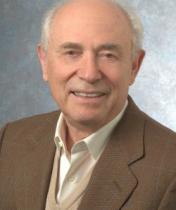
Eric Baer
Professor, Department of Macromolecular Science and Engineering, Case School of Engineering
Email: eric.baer@case.edu
Phone: 216.368.4203
-

Michael J. A. Hore
Associate Professor, Department of Macromolecular Science and Engineering, Case School of Engineering
Email: hore@case.edu
Phone: 216.368.0793
-
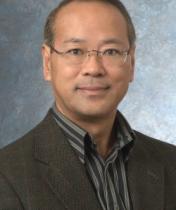
Hatsuo Ishida
Professor, Department of Macromolecular Science and Engineering, Case School of Engineering
Email: hatsuo.ishida@case.edu
Phone: 216.368.4285
-

Joao Maia
Professor, Department of Macromolecular Science and Engineering, Case School of Engineering
Email: joao.maia@case.edu
Phone: 216.368.6372
-

Ica Manas-Zloczower
Professor, Department of Macromolecular Science and Engineering, Case School of Engineering
Email: ica.manas-zloczower@case.edu
Phone: 216-368-3596
-

Svetlana Morozova
Assistant Professor, Department of Macromolecular Science and Engineering, Case School of Engineering
Email: svetlana.morozova@case.edu
-

Valentin Rodionov
Assistant Professor, Department of Macromolecular Science and Engineering, Case School of Engineering
Email: vor2@case.edu
-

Samuel Root
Assistant Professor, Department of Macromolecular Science and Engineering, Case School of Engineering
Email: ser132@case.edu
Phone: 216.368.6654
-
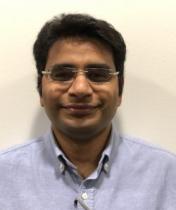
Abhinendra Singh
Assistant Professor, Department of Macromolecular Science and Engineering, Case School of Engineering
Email: axs2601@case.edu
-
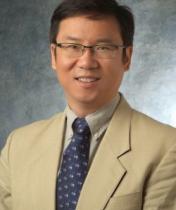
Lei Zhu
Professor, Department of Macromolecular Science and Engineering, Case School of Engineering; Principal Investigator,
Email: lei.zhu2@case.edu
Phone: 216.368.5861
Emeritus
-
John Blackwell
Professor Emeritus, Department of Macromolecular Science and Engineering, Case School of Engineering
Email: john.blackwell@case.edu
-
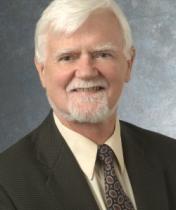
Alex Jamieson
Professor Emeritus, Department of Macromolecular Science and Engineering, Case School of Engineering
Email: alexander.jamieson@case.edu
-
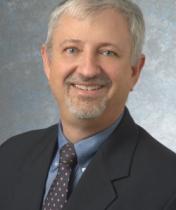
David Schiraldi
Professor Emeritus, Department of Macromolecular Science and Engineering, Case School of Engineering
Email: david.schiraldi@case.edu
Staff
-
Yaa Ansah
Student Affairs Specialist, Department of Materials Science and Engineering, Case School of Engineering
Email: yaa.ansah@case.edu
-

Kathleen Bates
Director of Administrative Operations, Department of Chemical and Biomolecular Engineering, Case School of Engineering
Email: kathleen.bates@case.edu
Phone: 216.368.3840
-

Pamela Bligh-Glover
Director, Department of Macromolecular Science and Engineering, Case School of Engineering
Email: pamela.glover@case.edu
Phone: 216.368.5966
-
Victor Desyatkin
Senior Research Associate, Department of Macromolecular Science and Engineering, Case School of Engineering
Email: victor.desyatkin@case.edu
-
Hossein Ghassemi
Engineer III , Department of Macromolecular Science and Engineering, Case School of Engineering
Email: hossein.ghassemi@case.edu
Phone: 216.368.1549
-
Sakrit Hait
Research Associate, Department of Macromolecular Science and Engineering, Case School of Engineering
Email: sakrit.hait@case.edu
-
Jiahao Huang
Research Associate, Department of Macromolecular Science and Engineering, Case School of Engineering
Email: jiahao.huang@case.edu
-
Majid Mehrabi-Mazidi
Senior Research Associate, Department of Macromolecular Science and Engineering, Case School of Engineering
-
Maria Salum
Senior Research Associate, Department of Macromolecular Science and Engineering, Case School of Engineering
Email: maria.salum@case.edu
-
Patricia Simmons
Department Administrator I, Department of Macromolecular Science and Engineering, Case School of Engineering
Email: pas8@case.edu
-
Thumawadee Wongwirat
Research Associate, Department of Macromolecular Science and Engineering, Case School of Engineering
Research Faculty
-

Chung-Fu Cheng
Research Assistant Professor, Department of Macromolecular Science and Engineering, Case School of Engineering
Email: chung-fu.cheng@case.edu