
To contact the department, email the department administrator.
Chair
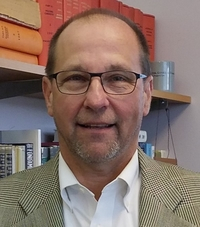
Gary Wnek
Develops advanced polymers for packaging, biomaterial applications and more.
Faculty
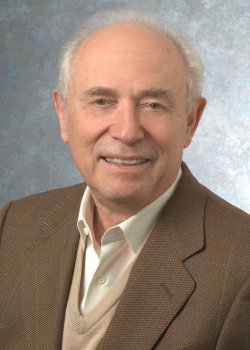
Eric Baer
Develops processing-structure-property relationships in polymeric systems; creates micro- and nano-layered films; and produces biomimetic hierarchical structures of soft materials
Michael Hore
Combines experiments, theory and simulation to study fundamental problems in the polymer physics of grafted and non-linear polymers
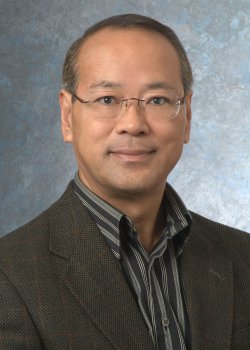
Hatsuo Ishida
Develops advanced benzoxazine resins, thermosetting resins based on natural renewable materials and green flame retarding systems
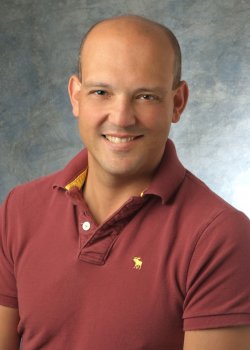
Joao Maia
Develops multi-scale, complex polymer-based materials, using both experimental and computational-based tools
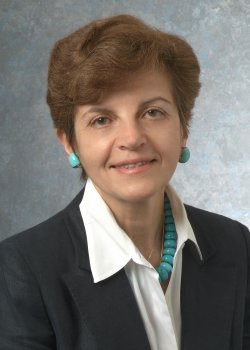
Ica Manas-Zloczower
Engineering new materials and technologies for industrial applications
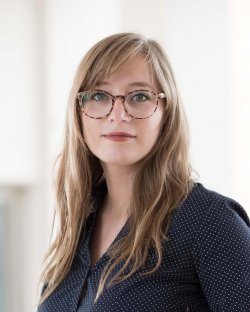
Sveta Morozova

Valentin Rodionov
Investigates catalysis with soft materials: catalytic surfactants and polymers; complex macromolecular architectures for bio-inspired catalysis; and ligand-mediated nanocatalysis
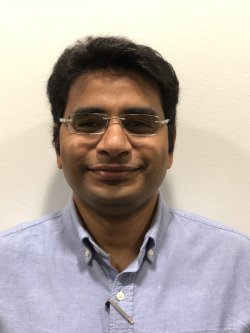
Abhinendra Singh
My current and future research interests are multi-disciplinary and lie at the intersections of soft matter, fluid dynamics, rheology, and tribology and integrates rigorous discrete particle simulations with hydrodynamics to study the particle-laden flows.
Gary Wnek
Develops advanced polymers for packaging, biomaterial applications and more.
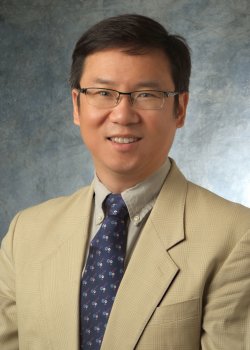
Lei Zhu
Develops high-energy and high-performance polymers based on close relationships among structure, property and processing
Research Faculty
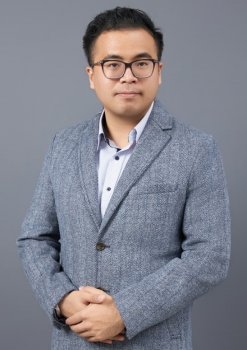
Chung-Fu Cheng
My research interest focuses on developing polymers with unique mechanical properties and understanding their process-structure-property relationships.

Alberto Costa
Emeritus Faculty
John Blackwell
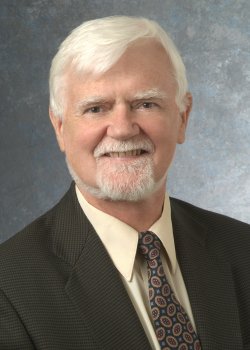
Alex Jamieson
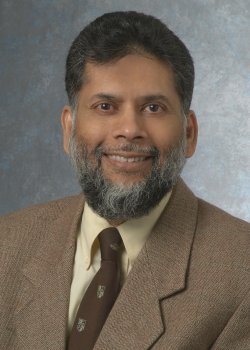
Syed Qutubuddin
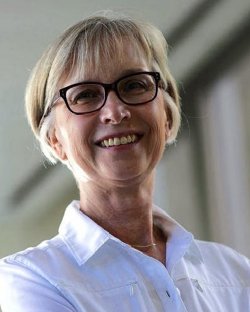
Clare Rimnac
Advances the long-term performance of implants and structural bone allografts through material analysis and characterization
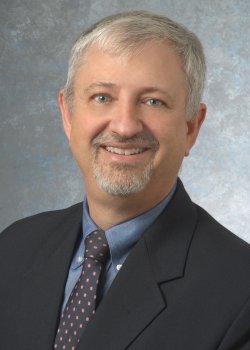
David Schiraldi
Develops bio-based, flame-retarded plastics, polymer aerogels and packaging materials; and studies properties of polyesters
Associated Faculty
Roger French, Kyocera Professor of Materials Science and Engineering
Tarek Agag, Research Associate Professor, Macromolecular Science and Engineering
J. Adin Mann, Professor Emeritus, Chemical Engineering
James M. Anderson, Professor, Department of Pathology, Case Western Reserve School of Medicine
John D. Protasiewicz, Hurlbut Professor of Chemistry and Chair, Case Western Reserve Department of Chemistry
Charles Rosenblatt, Professor, Case Western Reserve Department of Physics
Kenneth Singer, Ambrose Swasey Professor of Physics, Case Western Reserve
Philip Taylor, Distinguished University Professor and Perkins Professor of Physics, Case Western Reserve
Hossein Ghassemi, Adjunct Assistant Professor
Scott Rickert, Adjunct Faculty
Alan Riga, Adjunct Faculty
Christoph Weder, Adjunct Faculty
LaShanda Korley, Adjunct Professor
Administrative Staff

Jennifer Aquino-Pyles
Provides procurement services for the departments of Chemical & Biomolecular Engineering; Macromolecular Science & Engineering; and Materials Science & Engineering
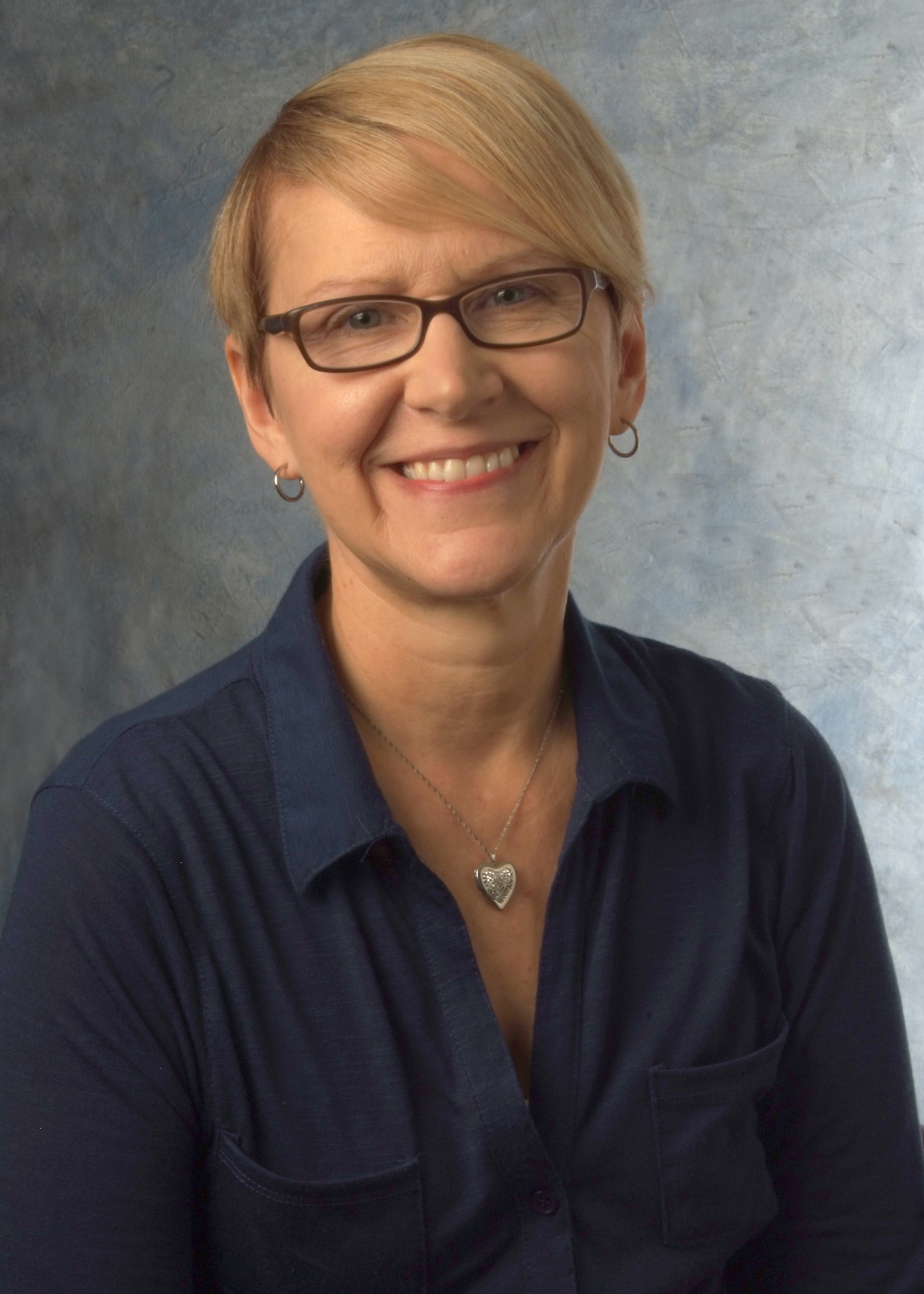
Kathleen Bates
Manages administrative support for the academic and research operations for the departments of Chemical and Biomolecular Engineering, Macromolecular Science and Engineering, and Materials Science and Engineering.
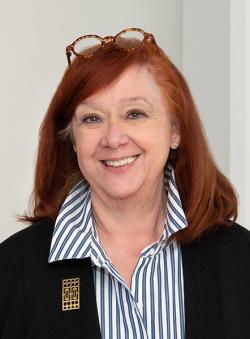
Pamela Bligh-Glover
Theresa Claytor